
This post contains affiliate links. If you make a purchase from one of the links, we may earn a commission at no extra cost to you.
The Essential Japanese Pantry: Beyond Soy Sauce
There’s a bottle of soy sauce in almost every kitchen in the world, which means soy sauce has become something like a shorthand. People reach for it and feel like they’re cooking Japanese. They’re not wrong, exactly. But they’re missing about 90% of the story.
Japanese pantry doesn’t run on one ingredient. It runs on a system. A constellation of fermented pastes, seasoned wines, and layered broths that work together to produce something that is genuinely unlike the food of anywhere else. The depth in a good bowl of ramen, the lacquered richness of teriyaki, the clean, quiet intensity of a dashi-based soup. None of that comes from soy sauce alone. It comes from miso, from mirin, from sake, from dashi, from a pantry that has been refining itself for over a thousand years.
Here is what that pantry actually contains, and how each piece fits into the whole.
Miso: The Pantry’s Most Versatile Ingredient
Miso arrived in Japan from China in the seventh century, carried by Buddhist monks who were looking for a protein source compatible with their vegetarian diet. The Japanese took the Chinese fermented soybean paste, refined it over the following centuries, and produced something so embedded in the culture that by the feudal era, samurai were receiving it as part of their rations. Different regions developed their own versions. Kyoto miso stayed pale, sweet, and delicate. Hatcho miso from Aichi grew dark, dense, and intensely savory. The variation tells you something about Japan, a country that takes a single idea and deepens it in every direction.
The version you need to start with is white miso (shiro miso). It’s mild, slightly sweet, and dissolves easily. Use it in dressings, butter, marinades, and glazes. A tablespoon stirred into butter with a little honey and spread over roasted vegetables is one of the most useful things you can do with it.
Red miso (aka miso) is the other essential. Longer fermented, deeper, more complex. Use it for braises, for ramen seasoning, for anything that needs weight and backbone. The classic miso soup you order in Japanese restaurants is usually white miso. The dark, funky version that comes with tonkotsu ramen is red.
What it does that nothing else does: delivers fermented umami that is simultaneously salty, sweet, and deep. A different quality of savoriness from soy sauce. The fermentation produces glutamates (the same compounds responsible for the “fifth taste”) but the paste form means it integrates into dishes differently, thickening sauces and adding body as well as flavor.
Mirin: The Sweetness That Isn’t Sugar
Mirin is one of those ingredients that’s easy to underestimate until you taste what happens without it. It’s a sweetened rice wine — lower in alcohol than sake, higher in sugar — and its job is to add a particular kind of sweetness: nuanced, slightly caramelised, with an almost syrupy body that helps sauces cling to food and glazes develop a lacquered shine.
The teriyaki sauce you’ve had in restaurants that tastes genuinely different from the homemade version — mirin is almost certainly the reason. Sugar gives sweetness. Mirin gives sweetness plus depth plus texture plus a very slight fermented complexity that sugar cannot replicate.
What to buy: Look for hon mirin (true mirin) rather than mirin-fu chomiryo (mirin-style seasoning). The cheap version is essentially glucose syrup with flavouring. The real thing is brewed from glutinous rice and aged — it has alcohol content (around 14%) and a flavour that justifies the slightly higher price.
Where it goes: Teriyaki. Tare sauces. Any glaze or sauce that needs shine and rounded sweetness. A small amount added to dashi-based soups rounds the saltiness. It’s rarely the star but it’s often what separates good from very good.
Sake: The Cooking Wine That Deserves Respect
Sake in cooking functions similarly to white wine in French cooking — it adds depth, carries other flavours, and helps tenderise protein. But it does something white wine doesn’t: it rounds umami without adding acidity. Japanese cooking has its own careful balance of salt, sweetness, and umami, and sake supports that balance without disturbing it.
It also removes odours. Fish and meat cooked with a splash of sake lose their raw, slightly animal edge in a way that other approaches can’t quite achieve. Japanese home cooks use it constantly, and once you start, you’ll understand why.
What to buy: You don’t need premium sake for cooking — but you do need real sake, not “cooking sake” (ryorishu), which has salt added and produces muddier results. A mid-range drinking sake works perfectly and has the added advantage of being drinkable while you cook.
Where it goes: Marinades. Braises. Steaming fish. Tare. Combined with mirin and soy sauce in roughly 1:1:1 ratios as the base of most teriyaki-style sauces. A tablespoon added to a stir-fry as it finishes.
Dashi: The Foundation Beneath Everything
If miso is the most versatile ingredient in the Japanese pantry, dashi is the most foundational. It is to Japanese cooking what stock is to French cooking — the invisible structure that everything else rests on. And like a great French stock, it is made from almost nothing.
Traditional dashi is brewed from two ingredients: kombu (dried kelp) and katsuobushi (dried, fermented, smoked bonito flakes). Kombu soaks in cold water overnight or steeps briefly in warm water; the bonito flakes are added and then strained out. The resulting liquid is pale, clean, and profoundly savoury — the textbook example of umami in its purest form.
The science here is genuinely interesting: kombu is exceptionally high in glutamates (the molecules that produce umami), while katsuobushi is high in inosinates — a different umami compound. When the two combine, they produce a synergistic effect that’s been measured at roughly eight times the umami intensity of either ingredient alone. This is why Japanese cooking tastes the way it does. The depth isn’t mysterious — it’s the result of a thousand years of empirical refinement arriving at one of the most efficient flavour combinations in world cooking.
What to buy: Kombu keeps indefinitely. Katsuobushi comes in bags of dried flakes and keeps well in the freezer. For days when making dashi from scratch isn’t practical, instant dashi powder (dashi no moto) is genuinely good — far better than its Western stock-cube equivalent — and a perfectly acceptable everyday option.
Where it goes: Miso soup. Ramen broth. Any simmered dish. Sauces. Anywhere you want depth without heaviness.
Shichimi Togarashi: The Finishing Spice
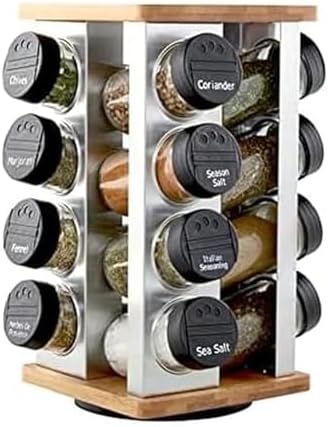
Every cuisine has its table condiment — the thing you reach for at the last moment to sharpen and brighten. In Japan, that thing is shichimi togarashi, a seven-spice blend that typically contains dried chilli, Sichuan pepper, orange peel, sesame, ginger, nori, and hemp seed. The exact composition varies by region and maker, but the effect is consistent: heat, citrus, and a subtle numbing quality from the Sichuan pepper that lifts dishes at the moment of eating.
It goes on ramen, on udon, on grilled chicken, on gyoza. Use it where you’d use chilli flakes in other cuisines, but expect something more layered — the citrus note and the nori give it a complexity that straight heat can’t match.
What to buy: It’s widely available now. Buy it from a Japanese supermarket or an Asian grocery where turnover is fast enough that the blend hasn’t been sitting on a shelf for eighteen months.

- Shichimi Togarashi is a spicy powdered assortment of dried chil peppers and other seasonings
- Ingredients include red chili pepper, orange peel, sesame seeds, Japanese pepper, ginger and seaweed
- Add this flavorful seasoning to your noodle soup dishes or any other dish that needs an extra spice
$8.99
Sesame Oil: The Finisher, Not the Fryer
A brief note on what sesame oil is not: a cooking oil. Toasted sesame oil — the dark, intensely fragrant oil used in Japanese and Korean cooking — is a finishing ingredient. It burns and turns bitter if you cook with it at high heat. A few drops added at the end of a dish, stirred through noodles or used to dress vegetables, gives a deep, nutty intensity. It keeps in the fridge, lasts a long time, and earns its place immediately.
Putting It Together: How the Pantry Works as a System
The thing that distinguishes Japanese pantry ingredients from a random collection of flavour additions is that they work together systematically. Most Japanese sauces and broths follow a logic of layering:
Dashi provides the base flavour and umami depth. Soy sauce adds saltiness and a deeper, roasted note. Mirin adds sweetness and body. Sake adds complexity and removes any sharp or raw notes. Miso can replace soy sauce for a richer, more fermented result, or be added alongside it. Sesame oil and shichimi finish and sharpen.
This is not a complicated system once you see the logic. The balance shifts depending on what you’re making — more mirin for a glaze, more sake for a marinade, more dashi and less soy for a delicate soup — but the building blocks are the same.
Where to Start
If you’re building this pantry from zero, buy in this order:
- White miso — gets used constantly, lasts for months, immediately expands what you can do
- Mirin (hon mirin) — transforms any stir-fry or glaze
- Dashi powder — the gateway to understanding why Japanese cooking tastes the way it does
- Sake — a mid-range drinking sake works perfectly
- Red miso — once you have white miso and want to go deeper
- Kombu and katsuobushi — when you’re ready to make dashi from scratch
- Shichimi togarashi — for the table
- Toasted sesame oil — always in the fridge, always useful
The soy sauce you already have. What you’ve been missing is the system that surrounds it. Add these ingredients one at a time and you’ll start to notice what’s been absent — a particular depth, a rounded sweetness, a clean and sustained savoriness that doesn’t come from any single bottle.
It comes from a pantry that has been thinking about flavor, carefully and collectively, for over a millennium.